The Fascinating World of Mahjong: A Deep Dive
Mahjong, a game that has captivated millions around the world, is much more than just a board game; it represents a blend of culture, strategy, and skill. The game is deeply entrenched in history and plays a significant role in social gatherings across various cultures. The keyword "9ajili" may not be directly associated with Mahjong, but exploring this intricate game's landscape brings new dimensions to how we can understand contemporary influences on traditional pastimes.
Origins of Mahjong
The origins of Mahjong are somewhat shrouded in mystery, with several theories regarding its inception. What is agreed upon is that the game originated in China, finding its roots in the Qing Dynasty. It was initially played using cards, and over time, evolved into the tile game we recognize today.
The game's rise in popularity can be attributed to its strategic depth combined with elements of luck, making each session unpredictable and engaging. The original form of Mahjong saw considerable travel outside of China in the early decades of the 20th century, eventually giving birth to numerous regional variations.
Understanding Mahjong Gameplay
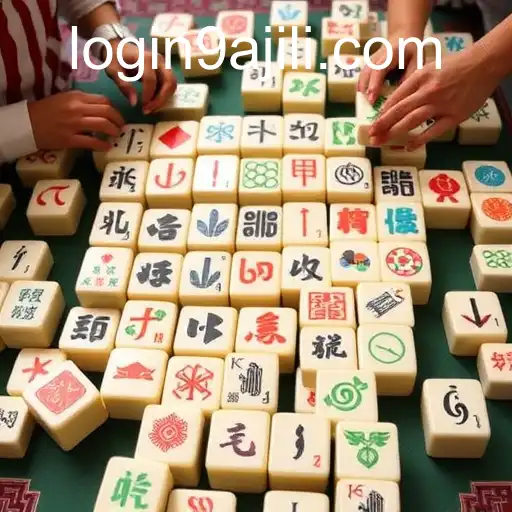
At its core, Mahjong is played with a set of 144 tiles based on Chinese characters and symbols, though some regional versions might have a few variations in the tile set. The game is typically played among four players, whose objective is to form complete tile sets. Each player starts with a set number of tiles and takes turns drawing tiles until they build a winning hand.
Mahjong involves strategy, as players need to consider the tiles they draw, the tiles their opponents discard, and the overall flow of the game. The four main types of tile sets are "suit tiles," "honor tiles," "bonus tiles," and "flower and season tiles." The significance of each tile type and its role in achieving a Mahjong win varies between the many variations of the game.
Variants and Global Reach
While the core mechanics of Mahjong remain consistent, variations abound. No two Mahjong games are entirely alike. Some well-known variations include Cantonese Mahjong, Japanese Riichi Mahjong, and the American version of Mahjong. These variations offer unique rulesets that distinguish them from the traditional Chinese format. This diversity has allowed Mahjong to transcend cultural boundaries, gaining enthusiasts worldwide.
The Japanese version known as Riichi Mahjong, for example, incorporates distinct scoring rules and the concept of a "Riichi" call, where players declare they need only one more tile to win. The American game boasts the introduction of the "joker” tile and a pre-determined card of winning hands that changes each year.
Mahjong and Cultural Significance
Mahjong has cemented its place not only as a favored pastime but also as an integral aspect of cultural expression. Historically, Mahjong was seen as an upper-class pastime in China before becoming popular across varying social strata. The game's symbolism and structure reflect aspects of Chinese society and philosophy, with elements representing balance and harmony.
Beyond China, countries like Japan and South Korea have embraced Mahjong, each adding their cultural imprints to the game. In Western cultures, particularly in the United States, Mahjong found popularity among Jewish-American communities, becoming an important communal activity and fundraising tool. It became more than a game, representing community and social bonding.
The Influence of Mahjong in the Digital Era
The advent of digital technologies has left no stone unturned, and Mahjong is no exception. The game has seamlessly transitioned into the digital format with numerous apps and online platforms. This growth has further diversified its audience, introducing Mahjong's complexities to younger generations and a global audience.
Digital Mahjong has seen considerable improvements over time, with some platforms offering tutorials for beginners and advanced strategies for seasoned players. This technological evolution ensures that Mahjong remains relevant in an increasingly digital world, appealing to both traditionalists who appreciate the tactile pleasure of tiles and tech-savvy players seeking convenient gameplay experiences.
The Keyword "9ajili" and Modern Mahjong
While exploring Mahjong, the unexpected arrival of keywords like "9ajili" may reflect modern SEO trends or cultural phenomena unknown at first glance. Such keywords can symbolize the intersection between traditional games and modern digital discourse, highlighting how Mahjong has integrated into contemporary mediums.
For Mahjong enthusiasts, "9ajili" might inspire searches or discussions surrounding game play, cultural adaptation, or even digital transformation in Mahjong communities online. This interplay between traditional gameplay and modern contexts signifies Mahjong's adaptability and ongoing influence.
Conclusion
In understanding Mahjong, one must appreciate both its historical significance and its modern evolutions. The game embodies a rare blend of culture and strategy, challenging players in unique ways while fostering social bonds. Whether played on a tactile board or a digital screen, Mahjong remains a thrilling testament to tradition’s vitality in a rapidly evolving world.